The best ideas from the
best books ever written
on money.
Deep-dive summaries, honest critiques, and specific action steps — from the books that actually change how people think about money. Made actionable.
One idea per week.
The most important insight from the week’s reading — every Monday.
No ads. No spam. Unsubscribe anytime.
It’s not motivation.
It’s not knowledge.
It’s a priority gap.
Almost everyone knows they should be investing more. Most people have read at least one personal finance book. The bottleneck isn’t information — it’s knowing which ideas are actually worth acting on, in what order, and what to do first thing Monday morning.
That’s the gap this site exists to close.
The data says the simple path works.
These aren’t motivational quotes. They’re the conclusions of decades of research — explained in full in each summary.
of American millionaires are first-generation — they didn’t inherit it. Stanley’s research in The Millionaire Next Door found more than half never received a single dollar in inheritance. One-third never earned six figures in any single working year. Wealth isn’t a birthright. It’s a behavior sustained over time.
Investing $300/month from age 25, at the market’s long-run average return, produces over a million dollars by 65 — no inheritance, no windfall, no stock-picking required. JL Collins retired at 47 doing exactly this: one low-cost index fund, automatic contributions, never selling during a crash. The Simple Path to Wealth isn’t a metaphor. It’s what he actually did.
The cost of trying to beat the market. Over 20 years, the average equity investor underperformed the S&P 500 by roughly 3% annually due to behavior alone — panic-selling, mistimed re-entries, chasing performance. On a $100,000 starting portfolio that gap compounds to approximately $370,000 in lost wealth. Same market. Same funds. Different behavior.
Everything you need. Nothing you don’t.
Deep-dive summaries with honest verdicts. Ideas posts that answer real questions. Tools that make the numbers personal.
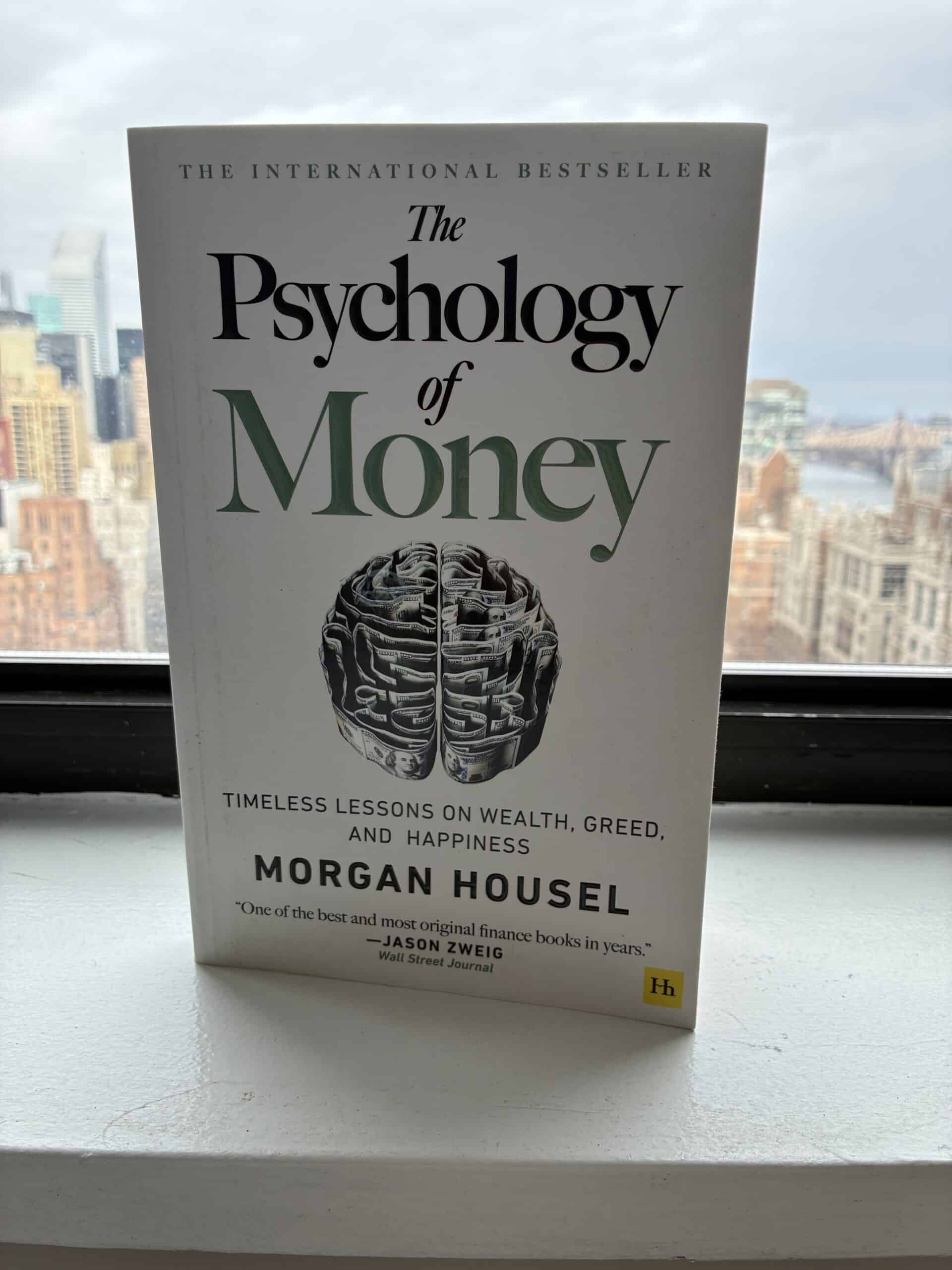


One idea from the best finance books, every week.
No fluff. No ads. No spam. The most useful insight from the week’s reading — in your inbox every Monday. Made actionable.
One email per week. No ads. No spam. Unsubscribe anytime.